WHIPOORWILL IS PETE + MEG!
We share a love for life, nature, community and believe sustainable, small-scale farming is vital for our future.
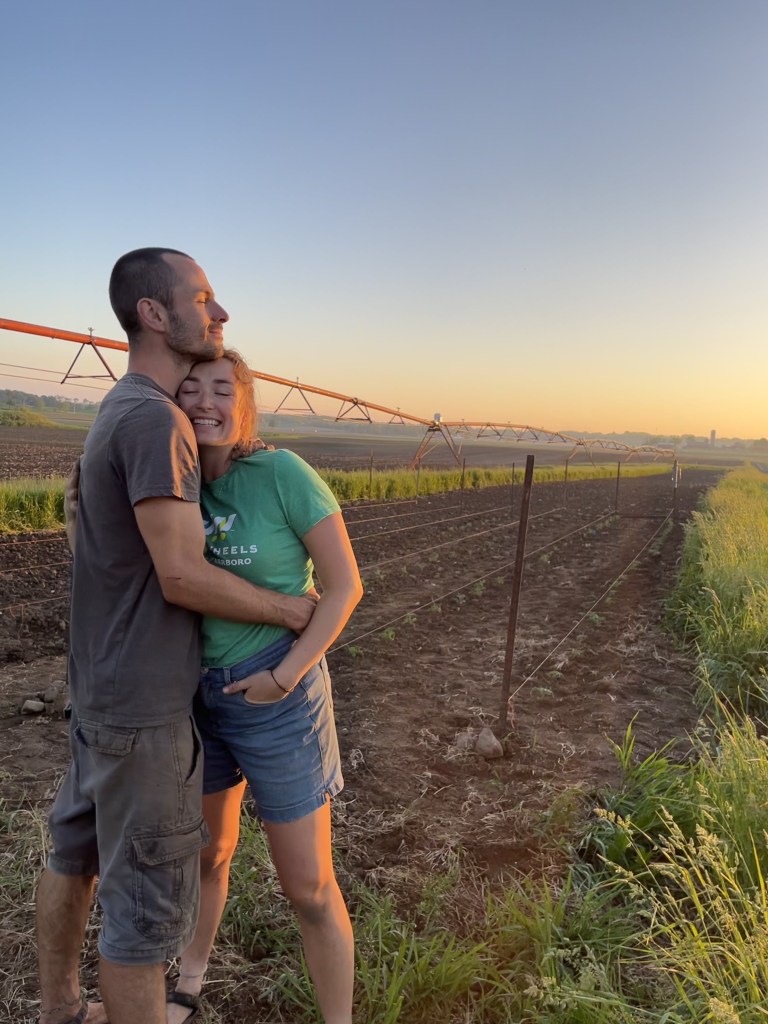
MEGAN SULLIVAN
Meg is a sun-kissed soul who cares deeply for the Earth and building community. Raised in Southwest Florida among mangroves and saltwater estuaries, her Wisconsin grandma always made this state a second home.
She is passionate about native and medicinal plants, loves to dance and admiring that purple-orange glow of the setting sun on crashing waves.
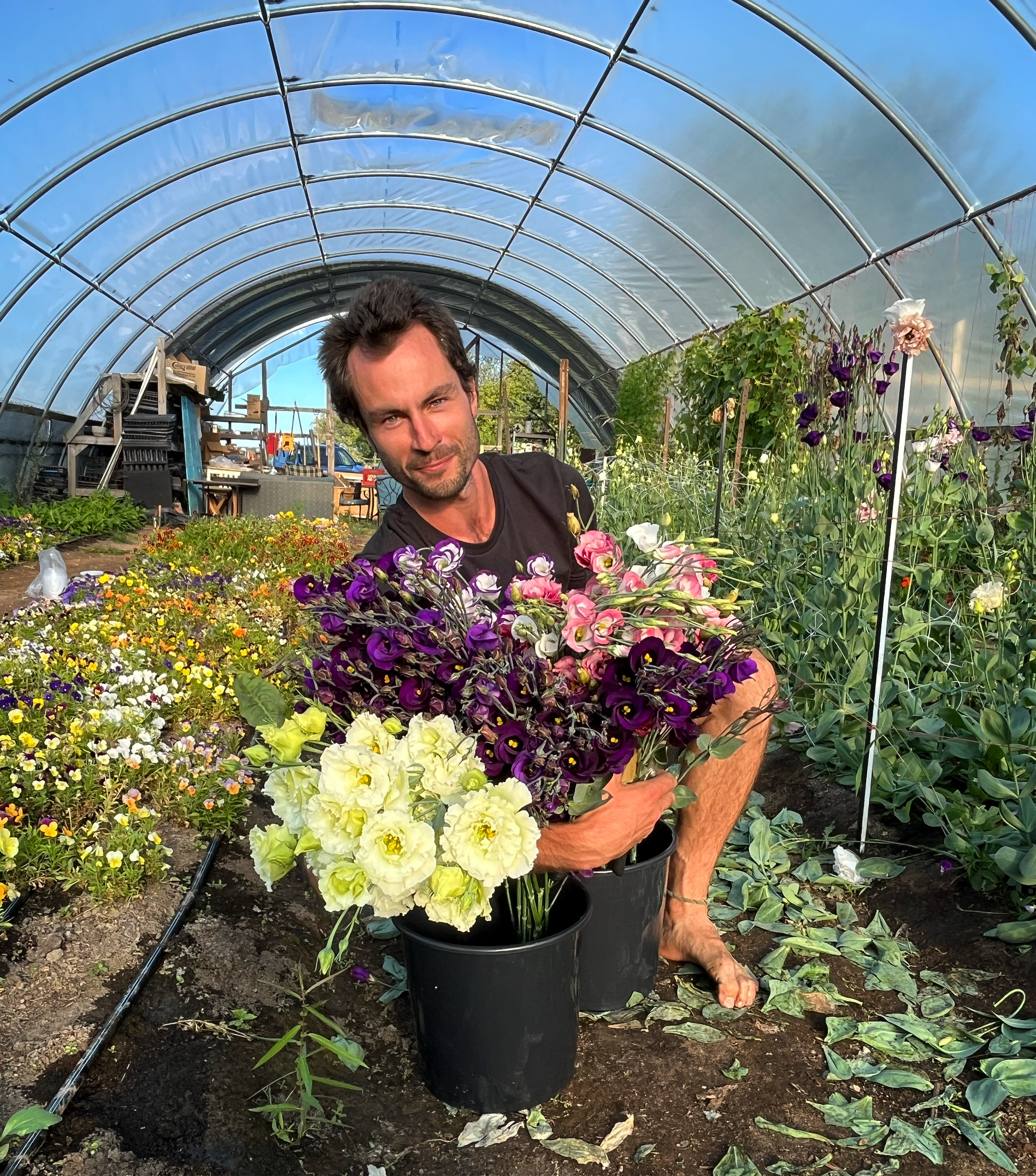
PETER KANE
Pete is an outdoor dog who is happiest toiling the soil under a slow arc of the summer sun. He was born in Madison and grew up helping his father, Rob, grow vegetables in the backyard.
Restless and hungry, he combines a love of cooking and a passion for plants in a quest for the best flavors. Otherwise he enjoys biking or wandering in woods, listening for that bird that sings at dusk.
Our Principles
Our business is the intersection of three elements:
THE LAND
We rate the health of our business by the health of the surrounding ecosystem. While we currently grow on our friends’ land near Brooklyn, WI, our goal is to renovate what is now a 20-acre corn field in Jefferson Co, WI into a native prairie and perennial food forest.
THE WISDOM
We know nothing of farming compared to those that came before us! We know that how we farm will be decided by who teaches us care for the land. By seeking mentors from all walks of life, we aim to build up our own wisdom that we may then pass to the next generation.
THE COMMUNITY
Producers and consumers are co-dependent within local food systems and we must work together. Our community is everyone we meet in this Madison food scene: farmers, chefs, organizers, naturalists, activists and all hungry, flower-loving people who care for the Earth.
Why?
We use these elements when we discuss our goals, analyze our impact and market our produce. We might ask ourselves, “What native plants attract pollinators and can be sold as an ornamental?” or, “What crops did the people of the Ho-Chunk Nation grow in this region before they were forcibly removed in the mid-1800s?” or, “How can we make our produce accessible to underprivileged communities?”
With these in mind, we strive to build our business in a direction that will sustain us, heal the Earth, and strengthen the community for years to come
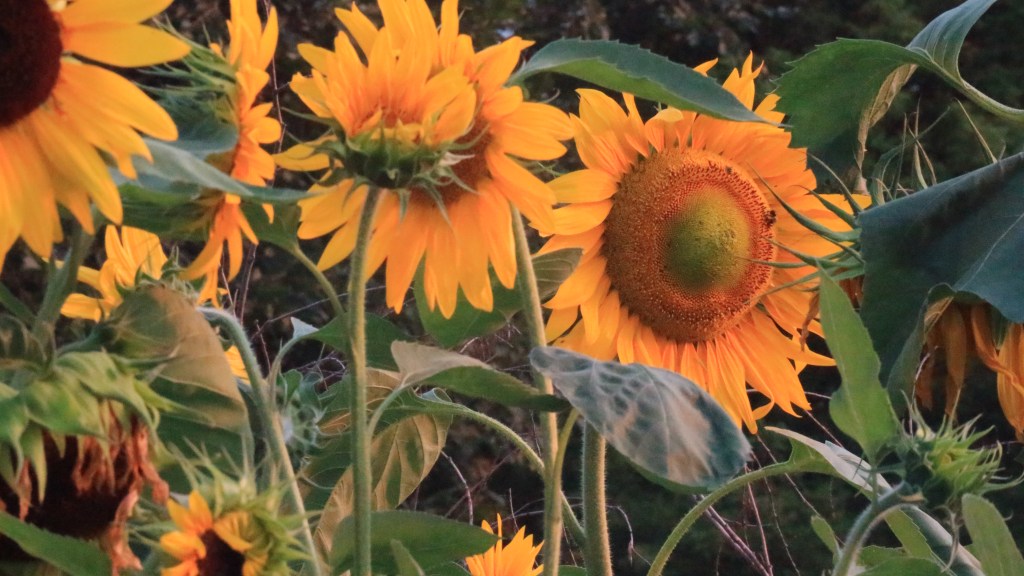
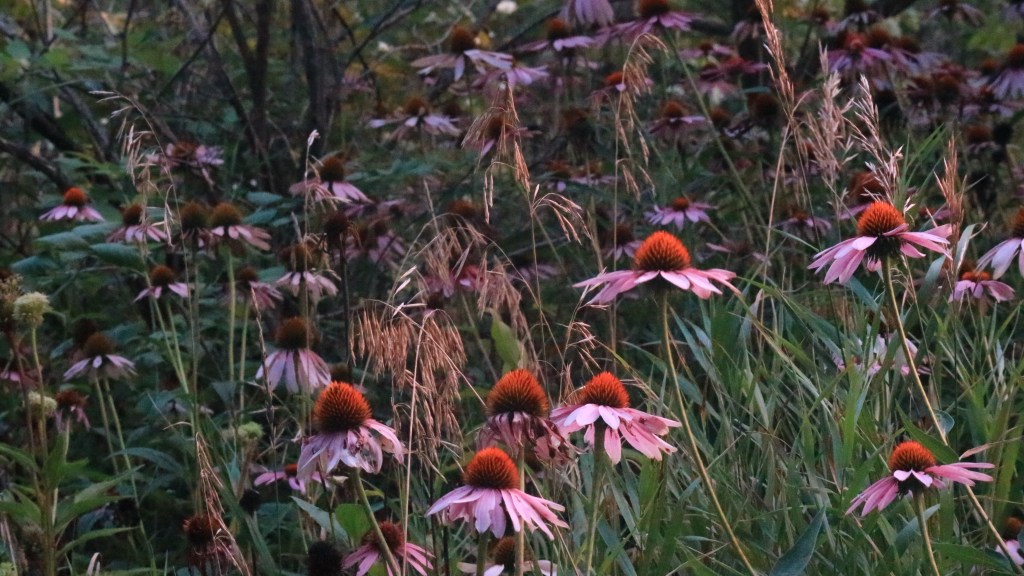
What is a Whipoorwill??
“a thing is a thing, not ‘what-that-thing-is-called'” -Susan Sontag
An “Eastern Whip-poor-will” is not an “Eastern Whip-poor-will”.
“Eastern Whip-poor-will” is the name now used to denote a small, ground-dwelling bird that sings from the edge of forest on warm summer nights in some pristine parts of Southern Wisconsin.
This bird and it’s ancestors had lived among the oaks and prairies of this region for unknown hundreds of years before some one decided its melodic, solemn whistle was demanding Poor Will to be Whipped!
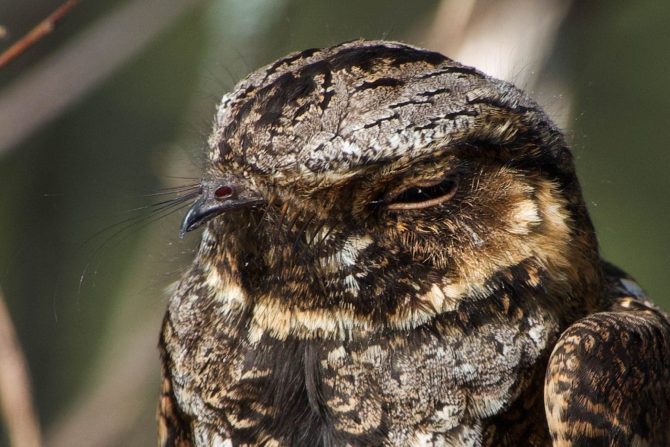
What a ridiculous name for an incredible creature!
This bird, however, never considered what it was called and was content swooping moths out of moonlight as it had always done. But abruptly its numbers dropped and its range diminished.
Since the 1960’s, the US population of the “Eastern Whip-poor-will” has declined by 70%, likely due to widespread use of pesticides and the destruction of its habitat for land development or big ag. Today it’s not uncommon to hear older folks who spent a childhood outside say:
“You don’t hear Whip-poor-wills like you used to.”
And that’s a sad thought. Because once the birds are gone there will be nothing left but an obscure name in a forgotten history book.
“So what are we to do?” we ask ourselves, as young farmers in this post-post-modern moment. “Are we farming the future away? Profiting from nature’s bounty? Taking more than we leave?”
How can we farm in a way that builds rather than depleting? How can a farm be a habitat for insects, mammals and birds? How can we monetize a sustainable intersection with the Earth’s natural cycles? How can we feed a community using less inputs, chemicals and fuel?
How can we save the Whip-poor-will?
These are questions we ponder as we work the land, grow our business and plan for the future of our farm. Follow us in our growth!
 Whipoorwill